The opening Sequence of a film serves several purposes :
An opening sequence is the first moments or sequences in a film that capture your attention and set the story’s tone.
- Setting the tone and mood, is crucial to help set an atmosphere for the film. For instance, a thriller would have an intense and mysterious opening sequence to signal to the audience a thrilling storyline and film.
-Introducing key themes, also has a purpose. This is done through key motifs and symbols, in a thriller one could be a knife, or blood etc.
-Capturing attention is vital to a film’s success. A well done opening sequence will have audience members invested straight away. This can be achieved by interesting visuals or plot introductions etc.
-Providing information to plot and backstory, especially in thrillers which we are studying, opening sequences can have the purpose of providing pieces to the puzzle, without giving the full picture. This will also spark curiosity and grasp attention.
2. What is the difference between and opening credits and a title sequence?
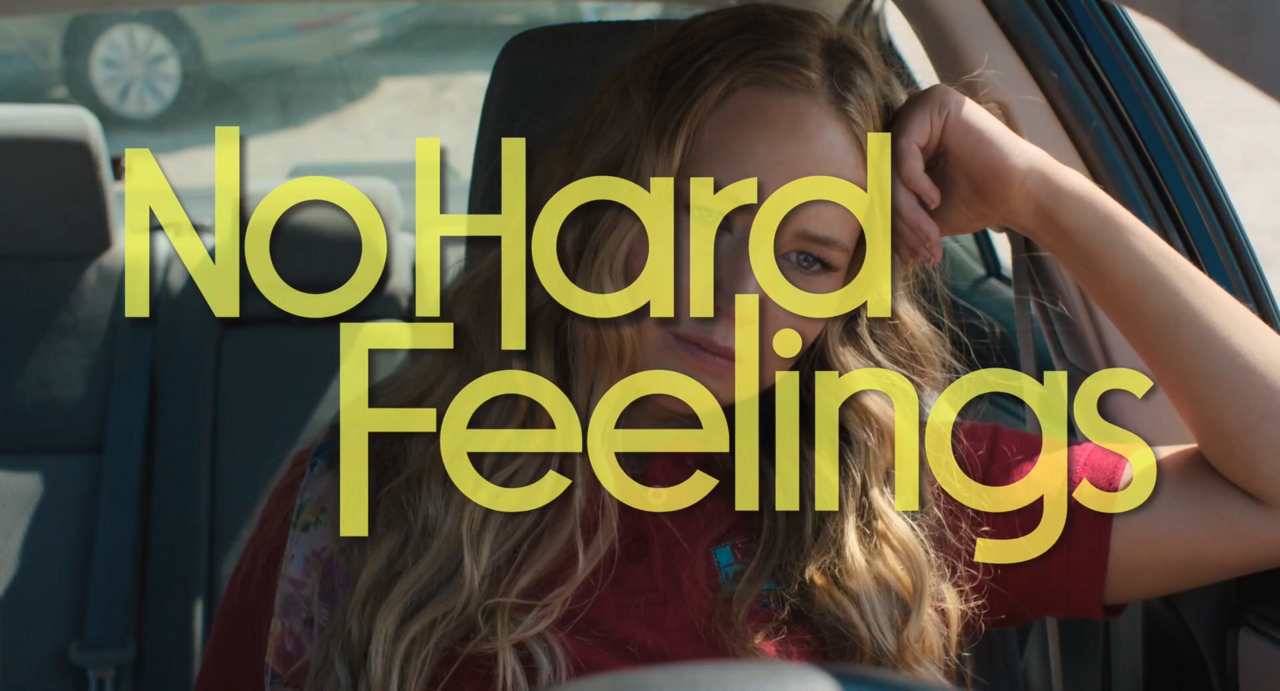
Opening credits ~ primarily for displaying cast names, producers, directors and studio. It is generally quite simple.
For example:
Title Sequence ~ a title sequence is a standalone sequence or series of shots created specifically to present the opening credits.
3. What techniques can be employed in an opening sequence?
Vari Various techniques are used in opening sequences. Freeze framing and illustrations and font of bleeding ink are techniques in which achieve a vintage opening sequence like in Sherlock Holmes
Another technique would be the use of shadows and other forms of lighting, creating a suspenseful tone.
l][p; Skyfall ~
-Camera: - We get certain shots that add effect, such as a pov shot of the man falling into the
whole in the ocean. This has has an immersive effect for the audience and intensifies
the emotional atmosphere. We get a wide variety of shots of establishing shots and
Close ups which help set this underwater scene. The fast pace of the camera under the water correlates with the under water atmosphere as it has a floating or
swimming effect, also creating an immersive feel.
Editing:There is a clear use of CGI which makes the whole underwater scene verisimilitude
and enables so much more detail in the film. The editing starts off as slow takes and
then gradually builds up to very fast takes, taking the audience on a journey, symbolising
the plot of the film
Sound:The skyfall sound written by Adele has clearly been chosen and written directly for this
Opening sequence. Every lyric corrolates and matches with what is happening in the
Scene. This creates dramatic effect and emphasises the message of the song
M. Mis en Scene: Being in the depths of the ocean is symbolic of danger and drowning. Blood
Dripping in the water coveys that there is violence. Daggers and guns symbolises
Danger and tension. The common theme between all these is death.
Psycho - Alfred Hitchcock~
Camera: The brides extreme wide shot of the city of Phoenix makes the audience aware of the
city and hints at both the time period and the state of it. The rotating, almost 360 shot
gives a panoramic view, further adding to the audience knowledge of the surroundings.
the slow zoom, onto the exact apartment building, then apartment room adds dramatic
effect as it makes the audience feel unease as the camera creeps up on the window.
Editing: The editing techniques of the title sequence are another element used to create purpose.
the Title begins in a fast past editing style, with the credits in sync with the score
the quick cuts between all of these credits, creates tension and an unsettling feel among
the audience
Sound: The opening sequence is overwhelmed by the score, composed by Bernard Herman’s. It
Has great effect in building emotional tension and anxiety as the audience start the film,
Capturing their attention straight away.
Mis en scene: The black and white contrast creates a harsh effect, and will make the film feel
More alienated. The abstract graphics and typography is used to hint at the
Film and evoke instability as the title “psycho” is typed in a jagged mixed up way
Scream - Wes Craven ~
Camera: There is an intense zoom on the title sequence SCREAM , which draws the audiences
Focus to the title which foreshadows what is to come. The close ups of both the Woman’s face and the ringing of the phone, establishes a quick connection between the two and signals to the audience, the key part they both play.
Editing: The long and slow cuts in the beginning, help establish the storyline and slowly build tension.
Sound: The violent non diegetic scream in the title sequence not only mimics the title scream but it sets up an unsettling feel straight away, as the audience are hyper aware instantly, signalled by the scream.
Mise en scene: The red and muffled typography creates a sense of urgency and danger among the audience, foreshadowing the danger and urgency to come. The suburban setting at night creates a sense of normalcy but also makes it more realistic for the audience as they too may be watching in their homes. Therefore this creates an anxious tone at this could happen to them too
Compare and Contrast ~
All three are great opening sequence but have different techniques. The use of CGI in skyfall adds great effect but in contrast the simplistic opening sequence of psycho is still able to add tension despite the time it was filmed. Each film represents a different time of film, skyfall in the present, scream in the 2000s, and psycho in the 1970s. Despite this division they all achieve the purpose of an opening sequence in their own unique ways.
Draft Feedback: - Finish up opening title and credits - add sound effects to create more suspense - replace the last score at the end with something more dramatic - work on tweaking the audio levels - Get an after effect that will piece the narrative togtether Positive Feedback: - Good colour grade - Nice sequence - Good selection of shots - Effective falshabacks -

%20main%20title%20card-0-1280-0-1024.png?k=84b45326df)


Comments
Post a Comment